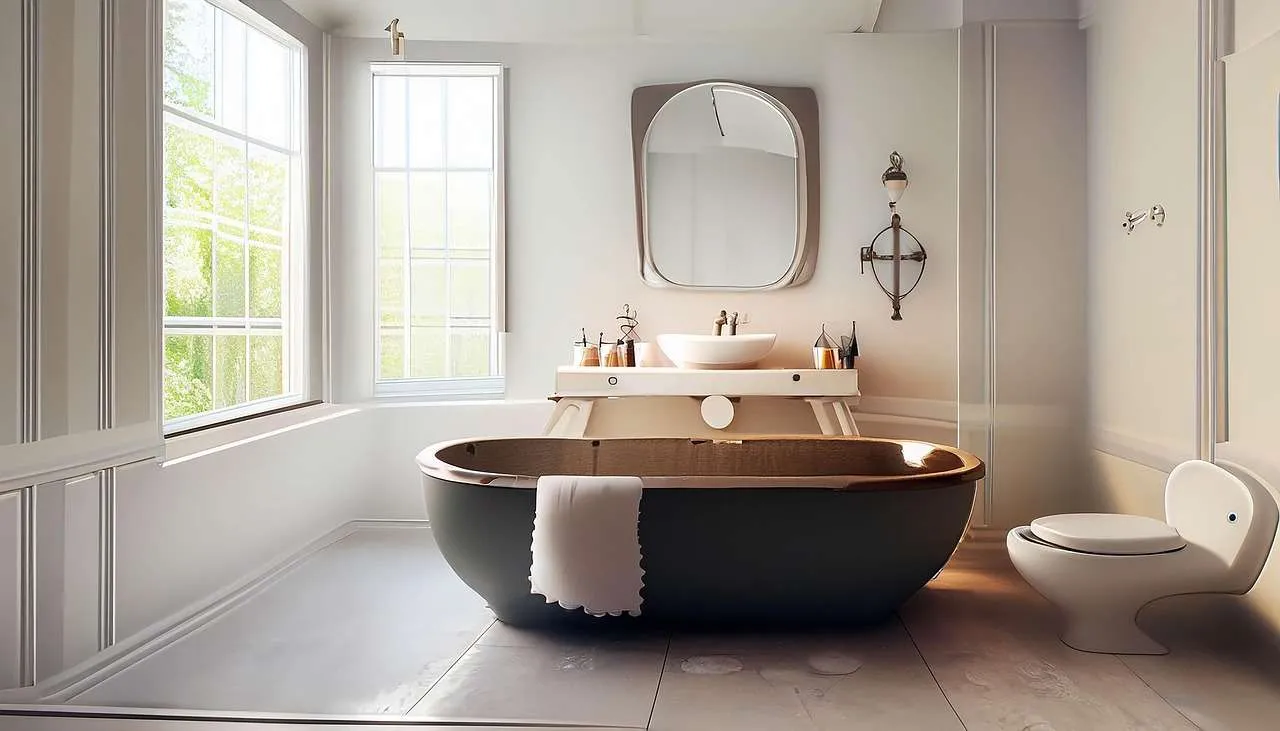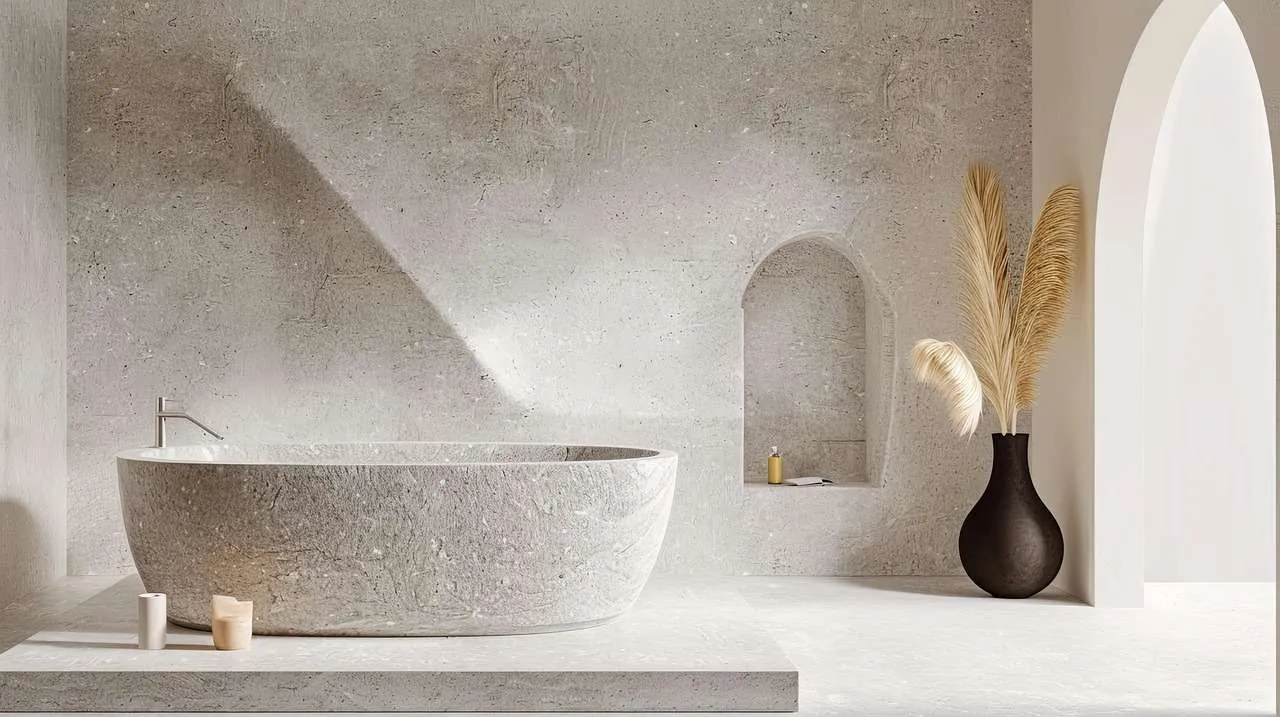
Small bathrooms can feel cramped, but with the right design choices you can create a space that feels larger, brighter, and more functional. This guide on small bathroom ideas covers layout tricks, smart storage, and finishes that maximize every inch without sacrificing style. By combining professional design principles with practical remodeling tips, you can transform a tight bath into a calm, efficient retreat that stands up to daily use.
Key principles for small bathroom ideas
To make the most of a compact space, start with core principles that guide every decision: maximize light, minimize visual clutter, and choose fixtures that save room without compromising comfort. These principles come from professional designers and practical contractors who routinely work with tight bathrooms.
Smart storage solutions
In a small bathroom, storage must be intentional. Use recessed niches in the shower to hold shampoo and soap, a medicine cabinet with a mirrored front, and a floating vanity with shallow drawers. Over-the-toilet storage, slim corner shelves, and vertical towel bars keep essential items out of sight while remaining accessible. Consider multipurpose furniture and accessories, such as baskets that fit under the vanity to hide toiletries, or a tall, narrow cabinet that uses vertical space without crowding the floor.
Color and materials
Light colors open up the room by reflecting more light. Choose a neutral palette with one accent color to avoid visual heaviness. Large-format tiles reduce grout lines, creating a seamless look that makes a small bathroom feel bigger. Opt for glossy or satin finishes on walls and fixtures to boost reflectivity, while selecting durable, moisture-resistant materials for longevity.
Layout and fixtures
Layout choices can dramatically affect perceived space. A floating vanity keeps floor space visible, while a wall-hung toilet creates the illusion of more room. Prefer a clear glass shower door or a frameless enclosure to extend sightlines; a curb-free shower improves accessibility and feels more open. If possible, install a pocket door or a slim sliding door to reclaim width used by a swinging door. Use built-in niches and ledges to store bath products without adding bulk.
Lighting and mirrors
Layered lighting – ambient, task, and accent – prevents a small bath from feeling dim. Use bright LEDs with a color temperature around 3000–3500K for a warm, inviting feel. A large mirror or a pair of mirrored panels doubles the perceived space, while backlit mirrors minimize shadows at the sink. Consider daylight channels or skylights if feasible to bring natural light into the space.
Durable finishes and maintenance
Choose moisture-resistant finishes that tolerate humidity and daily cleaning. Ceramic or porcelain tiles, quartz countertops, and solid-surface vanity tops resist staining. Matte finishes can hide water spots better than high-gloss surfaces, while easy-to-clean grout sealer reduces maintenance. In addition, select hardware and fixtures with corrosion-resistant finishes to extend life in a wet environment.
Practical design ideas you can implement
Start with a plan that prioritizes sightlines and workflow. Measure critical clearances, like the distance from the vanity to the opposite wall and the space needed to open the shower door. Use plan views and 3D mockups to visualize lighting and color. Then stage the room with a few impactful upgrades such as a larger mirror, brighter lighting, and a slim storage cabinet. These practical ideas are widely recommended by interior designers for small spaces and are supported by manufacturers who offer compact products designed for tight bathrooms.
| Strategy | Benefits | Best Use | Trade-offs |
|---|---|---|---|
| Floating vanity | Creates visible floor area and a lighter feel | Bathrooms under 6x8 ft | Limited under-vanity storage |
| Frameless glass shower | Extends sightlines, reduces visual bulk | Corner or alcove showers | Higher cost and potential leakage concerns if not installed well |
| Pocket or sliding door | Saves width for fixtures and movement | Narrow entrances | Installation complexity |
| Large mirror | Expands perception of space | Vanity wall | Must be secured and cleaned regularly |
Note: The strategies above align with best practices from interior designers and bathroom product manufacturers, focusing on durability, safety, and ease of maintenance in moisture-rich environments.
Careful choices across storage, color, and layout deliver a cohesive solution. By combining reflective surfaces with uncluttered storage and a open layout, you can create a small bathroom that feels like a larger, calmer space rather than a cramped path from sink to shower.
Conclusion, Small bathrooms respond well to clean lines, integrated storage, and thoughtful lighting. Use recessed and vertical storage, a light palette with large tiles, a floating vanity, and a glass shower to maximize perceived space. Layered lighting and large mirrors keep the room bright, while durable, moisture-resistant finishes simplify upkeep. With these small bathroom ideas, you’ll achieve a practical, stylish space that performs like a larger bathroom without sacrificing comfort.